


Snoring, Sinus & ENT Specialist
- Dr Kenny Peter Pang
- Ear, Nose & Throat Consultant
- Otorhinolaryngologist
- MBBS MRCS(Edinburgh)(UK)
- FRCS(Edinburgh)(UK)
- FRCS(Ireland)(OTO)
- Masters Medicine (ORL)
- Founder, ASEAN Sleep Surgical Society
- Founding Member, International Surgical Sleep Society
- Member, American Academy Sleep Medicine
- Member, Singapore Sleep Society
- Member, World Sleep Society
- Board Member, Italian Sleep Disorders Board
- Member, British Association of Sleep Surgeons
- Member, European Academy of Sleep Medicine

The key to surgical success is patient selection
The most important role for the ENT surgeon is to:
- Select the correct patient
- For the correct surgery, and
- Be able to perform this surgery
Surgery is divided into surgery for the Nose, Palate and Tongue.
NOSE
Nose surgery is important for a few reasons:
- The nose represents 50% of the airway (the other 50% is the mouth), hence, having a clear nasal passage is important.
- A clear nose is important for a patient who is using the CPAP machine, helps usage and improves compliance
- Nose surgery also helps reduce snoring and obstructive sleep apnea to a good extent (if done together with other procedures, like palate or tongue)
- Nose surgery alone (performed alone) is at best 20% to 40% effective in treating obstructive sleep apnea (should be done with other procedures, like palate or tongue, if the patient has moderate or severe obstructive sleep apnea)
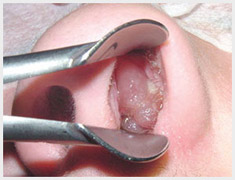
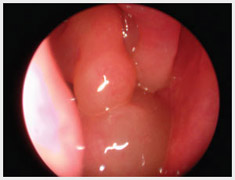
Types of nose surgery
- Nasal Turbinate Reduction - Laser, Radiofrequency, Micro-debrider, Coblation
- Nasal Turbinectomy – cutting of the turbinate
- Endoscopic Sinus Surgery – involves scopes through the nose to reduce nasal swellings and enlarge sinus openings
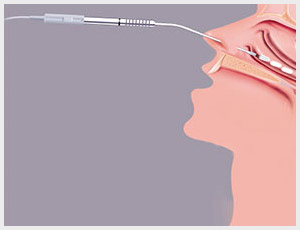
Nasal Turbinate Reduction with the Radiofrequency is effective.
- 10 minute procedure
- Local anaesthesia
- Minimal pain procedure
- Done in the clinic / office
- Outpatient basis
- Good Results
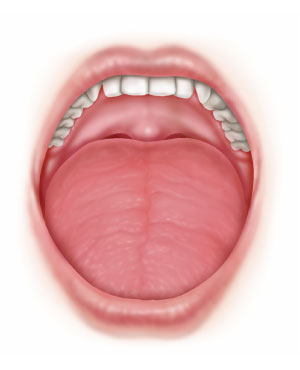
PALATE
Palate surgery is important for many reasons:
- 70% to 80% of most snoring arise from the palate.
- Surgery to the palate will reduce snoring and obstructive sleep apnea effectively.
- Correct type of surgery to the palate is important to prevent complications (stenosis of the palate).
- Reconstruction of the palate is now the LATEST method of surgery to the palate.
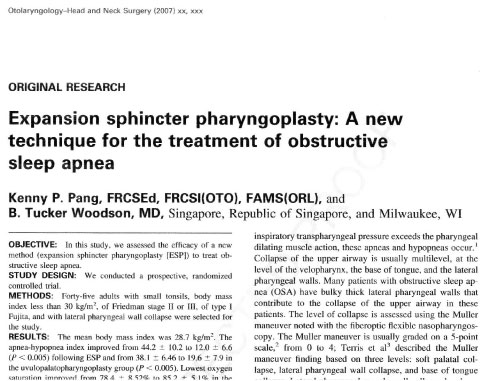
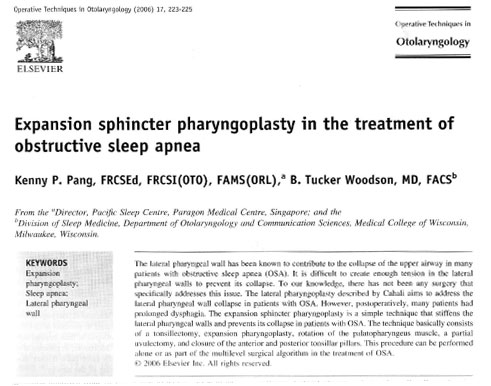
- The Expansion Sphincter Pharyngoplasty technique has been shown to be 80% effective in patients with sleep apnea (Invented by Dr Kenny Pang, 2006)
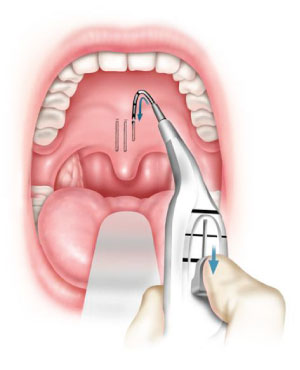
Types of Palate Surgery – For Snoring and Mild Sleep Apnea
- Radiofrequency of the Palate
- Pillar Implant Palate Procedure - MultiCenter Trial in United States done by Dr Kenny Pang
- Laser Palate Surgery
- Anterior Palatoplasty - Invented by Dr Kenny Pang
- Coblator Palate Surgery
Palate Surgery For Snoring and Mild Sleep Apnea is effective
- 10 minute procedure
- Local anaesthesia
- Minimal pain procedure
- Done in the clinic / office
- Outpatient basis
- Good Results
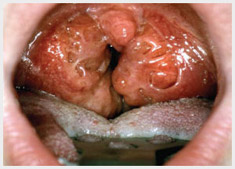
Types of Palate Surgery - For Moderate and Severe Sleep Apnea
Traditional UvuloPalatoPharyngoPlasty (UPPP) - for selected group of patients, average results from 3,000 over patients showed UPPP at best results were 59% after very careful and prudent selection of patients.
Z-PharyngoPlasty (ZPP) - good for patients with narrow palate and absent tonsils.
Expansion Sphincter Pharyngoplasty (ESP) - very useful technique, have shown to be 80% successful in a controlled trial (Invented by Dr Kenny Pang)
TYPES OF SLEEP APNEA PATIENTS
- 60% OF PATIENTS WITH SLEEP APNEA HAVE PALATE OBSTRUCTION AS THE MAIN CAUSE (WILL NEED PALATE SURGERY)
- 40% OF PATIENTS WITH SLEEP APNEA HAVE BOTH PALATE AND TONGUE OBSTRUCTION AS THE MAIN CAUSE (WILL NEED PALATE AND TONGUE SURGERY)
Patients with palate and tongue obstruction who only have palate surgery done alone, will not be cured of their sleep apnea (will not have good result).
Patients with palate and tongue obstruction will NEED both palate and tongue surgery done together for a good result.
TONGUE
Tongue surgery is important for a few reasons:
- The tongue contributes a lot in sleep apnea during an obstruction
- The tongue needs to be treated if the patient wants a good result
- The tongue is the cause of obstruction in many patients with sleep apnea
- Not treating the tongue, will lead to FAILURE on surgery